

Carpentry and Packaging
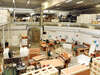
Integrated carpentry workshop
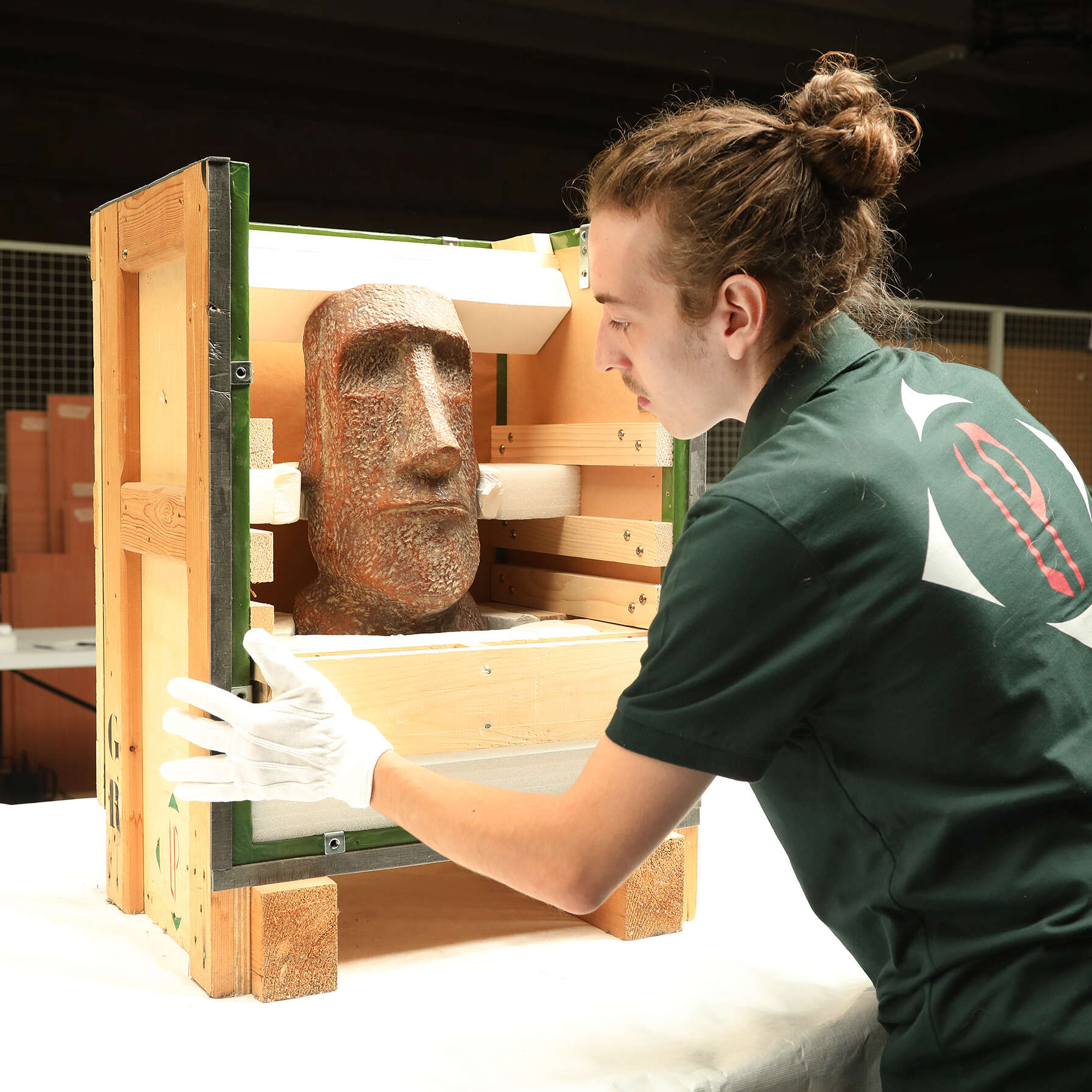
Packaging a work of art is an art in itself!
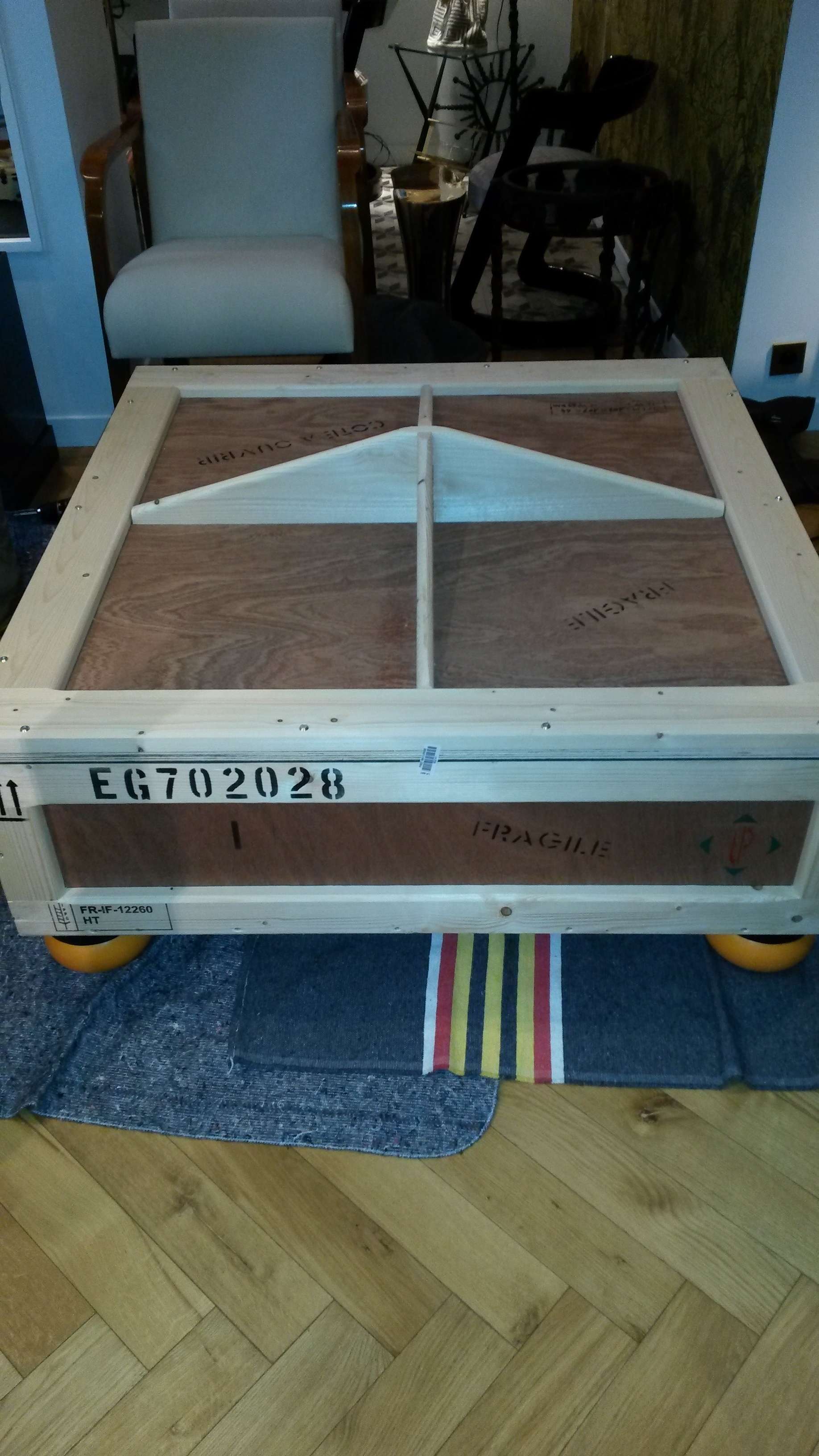
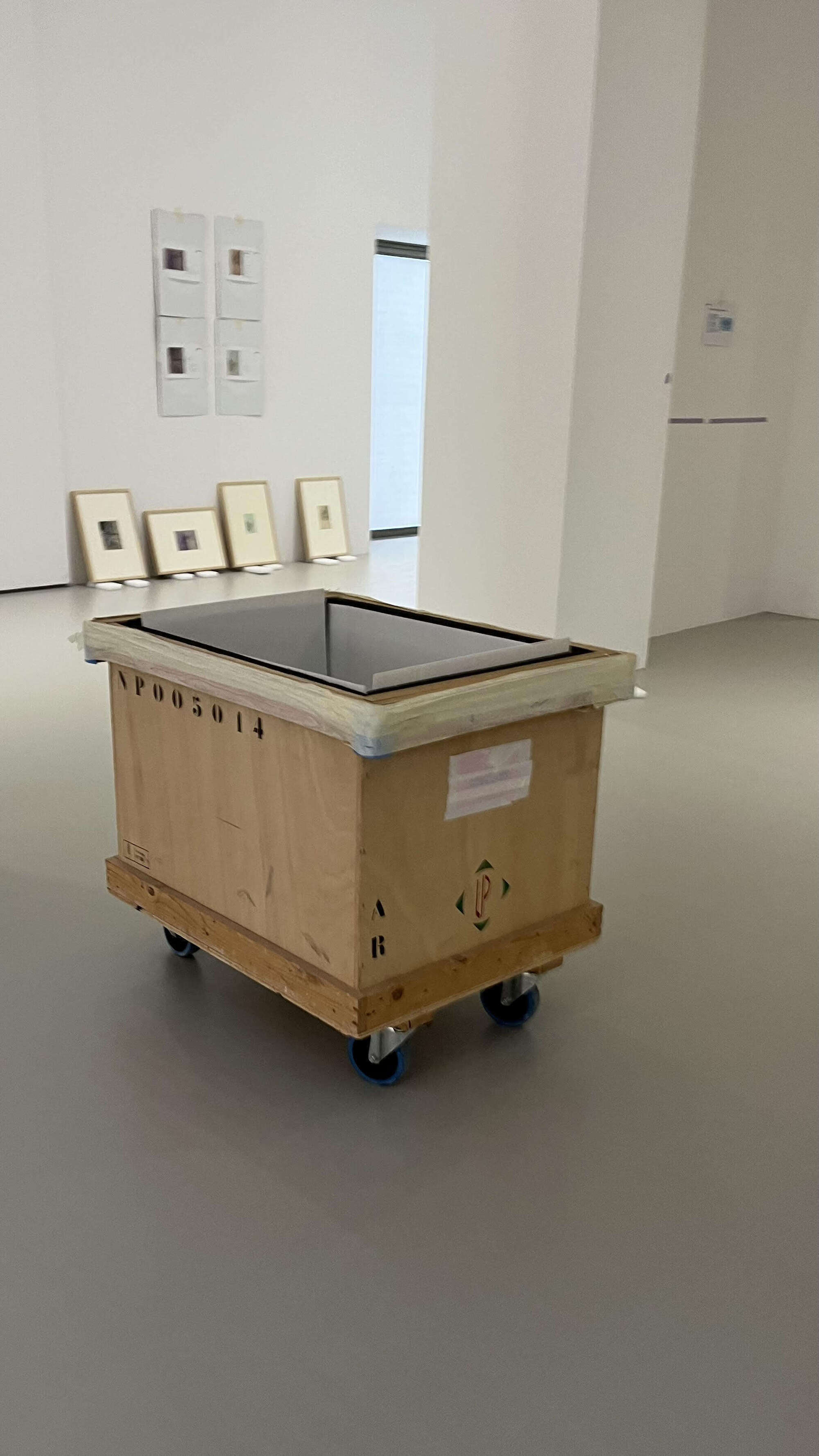
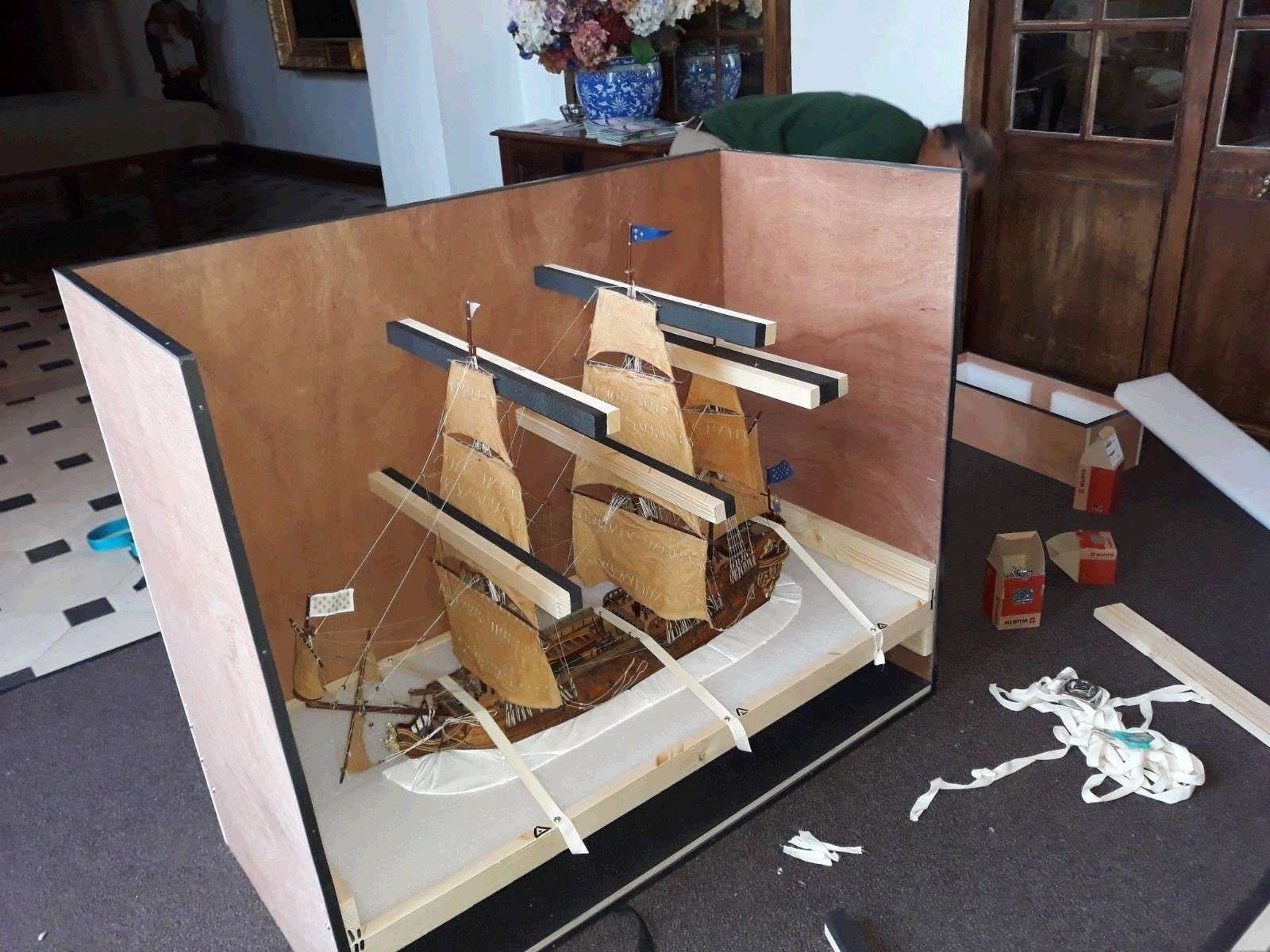
LP ART has itsown in-house carpentry workshops, and has developed genuine expertise in the design of wooden crates and customized protection. This expertise enables us to offer tailor-made protection solutions.
Packaging techniques and materials are carefully selected based on each artwork: its fragility, dimensions, and composition, as well as the distance to be traveled and the climatic conditions along the route.
Our team of crating and packing specialists will be happy to recommend the most suitable type of crate and interior padding to ensure the safety of your artwork during transport and handling.
The proposed technical solution will also depend on your budget, the desired timeline, and the final destination of the artwork to be installed, as well as its route.
Questions we invite you to ask :
- How much should you budget for making a crate that will be used only once?
- Is our exhibition budget compatible with the packaging standards recommended by lending museums?
This way, we can help you choose the most suitable packaging at the best price, based on the artwork and your chosen shipping method.
Crate-making and CSR commitment
At LP ART, we are committed to a sustainable approach to the design of our packing and transport crates, offering optimum protection for works of art while respecting the environment.
For our Innovation, Methods, and Quality, Safety, and Environment (QSE) Department, every new box design is fundamentally part of a comprehensive sustainable development approach.
1. Search for Eco-Friendly Packaging Solutions: Our engineering team is constantly searching for alternative materials with a low carbon footprint, while evaluating their performance to ensure that our crates are perfectly sturdy.
2. Reusable Crates: Whenever the project allows, we prioritize the use of reusable crates. This choice is both cost-effective and environmentally responsible, as it reduces our carbon footprint and minimizes wood consumption.
3. Responsible Waste Management: In line with the principles of the circular economy, we sort, recycle, and repurpose all components of our crates—from the wood and foam to the screws and handles. In this way, we are sustainably reducing our environmental footprint.